Planning a trip to the Maldives? First of all, congratulations, you are about to visit one of the most beautiful destinations on the planet. However, like any destination, the Maldives comes with its own unique set of rules, customs, and practical realities that every traveler should understand before arriving.
Therefore, whether you are visiting for the first time or planning a return trip, these 20 essential Maldives travel tips will help you avoid costly mistakes, respect local culture, and make the most of every single day.
1. Maldives Travel Tips: Know the Two Very Different Sides
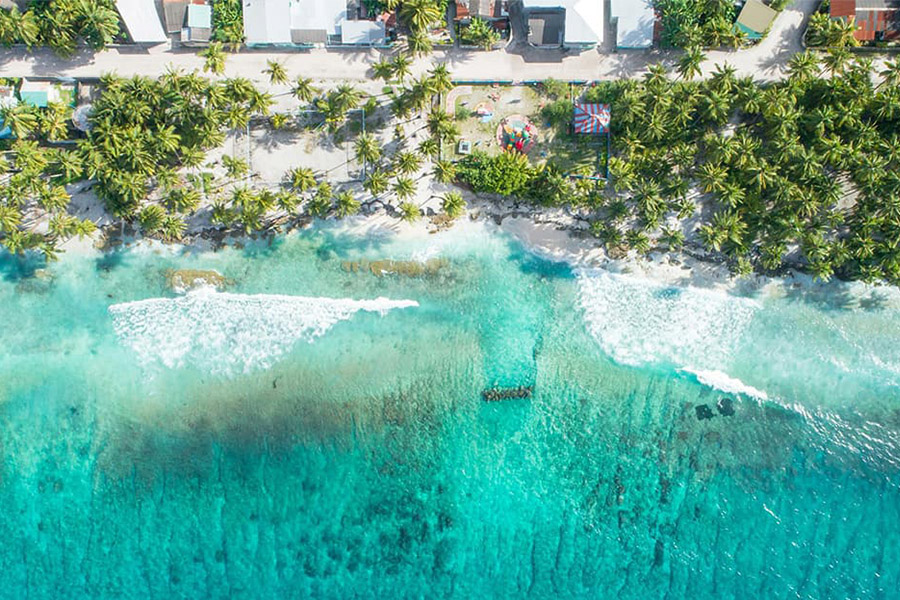
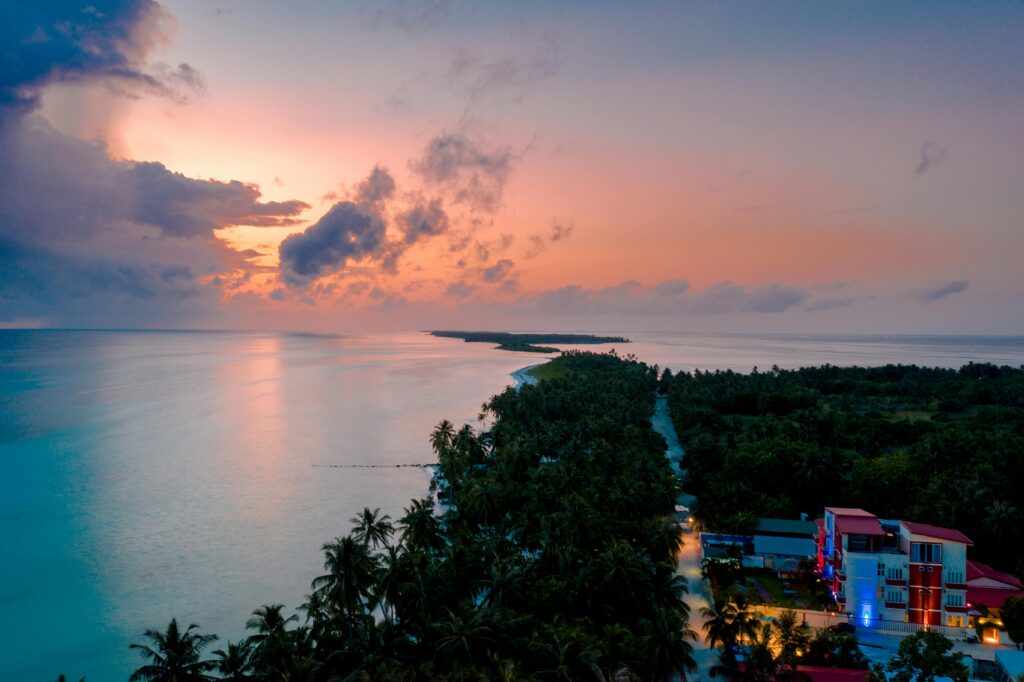
First and foremost, it is important to understand that the Maldives is not just one type of destination. On one hand, there are the famous private resort islands where overwater villas cost thousands of dollars per night. On the other hand, there are local islands where Maldivian families live, guesthouses offer affordable accommodation, and travelers can experience the real culture of this island nation.
Consequently, knowing which type of experience you want before you book will shape every decision you make, from accommodation to transport to budget.
2. Great News: No Visa Needed Before You Arrive
One of the most convenient things about visiting the Maldives is that most nationalities receive a free 30-day visa on arrival. Therefore, there is no need to apply in advance or visit an embassy before your trip.
However, before you travel, all visitors are required to submit a Traveler Declaration online prior to arrival. Consequently, make sure you complete this step in advance to avoid any delays at the airport.
Travel Declaration
You can submit your Traveler Declaration through the official Maldives Immigration portal IMUGA. The form can be completed up to 96 hours (4 days) before your arrival and submission is free of charge.
Entry Requirements
In addition, check the entry requirements to Maldives and stay prepared for your visit to avoid any hustle.
3. The Currency is the Maldivian Rufiyaa – But USD is Widely Accepted
The official currency of the Maldives is the Maldivian Rufiyaa (MVR). However, US dollars are widely accepted across guesthouses, restaurants, and tour operators, particularly on tourist-facing local islands. Therefore, it is advisable to carry small denomination USD notes for convenience. Furthermore, change is often given in Rufiyaa, so it is worth having some local currency for smaller purchases at local cafés and markets. Also most tourist facilities widely accept major card issuers.
4. Alcohol is Only Available on Resort Islands
This is one of the most important Maldives travel tips for many travelers. The Maldives is an Islamic nation and, as a result, the sale and consumption of alcohol is strictly prohibited on local islands. Moreover, you cannot bring alcohol into the country. However, if alcohol is important to your holiday, resort islands and liveaboard boats are fully licensed and serve a wide range of drinks. Additionally, some resorts offer day passes that include beach access and meals with drinks included.
5. Dress Modestly on Local Islands
Since the Maldives is a Muslim country, it is essential to dress modestly when walking around local islands. Therefore, when you are away from the designated bikini beach, cover your shoulders and knees out of respect for the local community. Consequently, packing a light sarong or cover-up is highly recommended as it is easy to carry and quick to put on. Furthermore, this small act of respect goes a long way in building genuine connections with local people.
6. Bikini Beaches are Designated Areas — Not the Whole Island
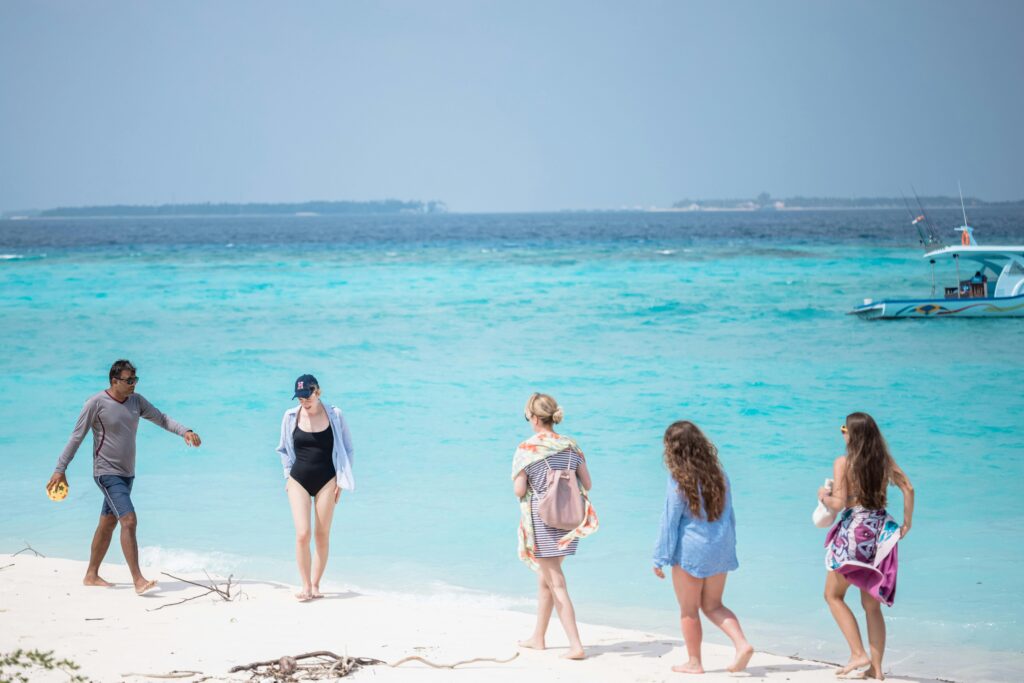
Many first-time visitors assume that because the Maldives is a beach destination, swimwear is acceptable everywhere. However, this is not the case on local islands. Instead, each local island has a specifically designated bikini beach where tourists are permitted to wear swimwear. Therefore, always ask your guesthouse where the bikini beach is located as soon as you arrive. Moreover, swimming and sunbathing in swimwear outside of this designated area is considered disrespectful and in some cases may result in a fine.
7. Plan Your Transport Around Ferry Schedules
Getting around the Maldives requires careful planning, particularly if you are traveling on a budget. Share transport options are the most preferred and economical options if you are on a budget . Therefore, it is crucial to plan your arrival and departure dates around these schedules in advance. Additionally, your guesthouse can be an invaluable resource for arranging transport, so always reach out to them before booking anything independently.
8. Book Accommodation in Advance for Peak Season
The peak tourist season in the Maldives runs from November to April, bringing dry weather, calm seas, and excellent visibility for snorkeling and diving. Consequently, guesthouses on popular islands like Maafushi fill up quickly during this period. Therefore, it is strongly recommended to book your accommodation at least two to three months in advance if you are traveling during peak season. Furthermore, early booking often comes with better rates, as many guesthouses offer discounts for advance reservations.
9. The Maldives is an Incredibly Safe Destination
One concern many travelers have before visiting is safety. Fortunately, the Maldives is consistently ranked as one of the safest travel destinations in the world. As a result, solo travelers, couples, and families can all feel comfortable exploring local islands. However, as with any destination, basic common sense applies, keep your valuables secure, stay aware of your surroundings, and always let your guesthouse know your plans if you are heading out on an excursion.
10. Respect Ramadan if Your Visit Coincides
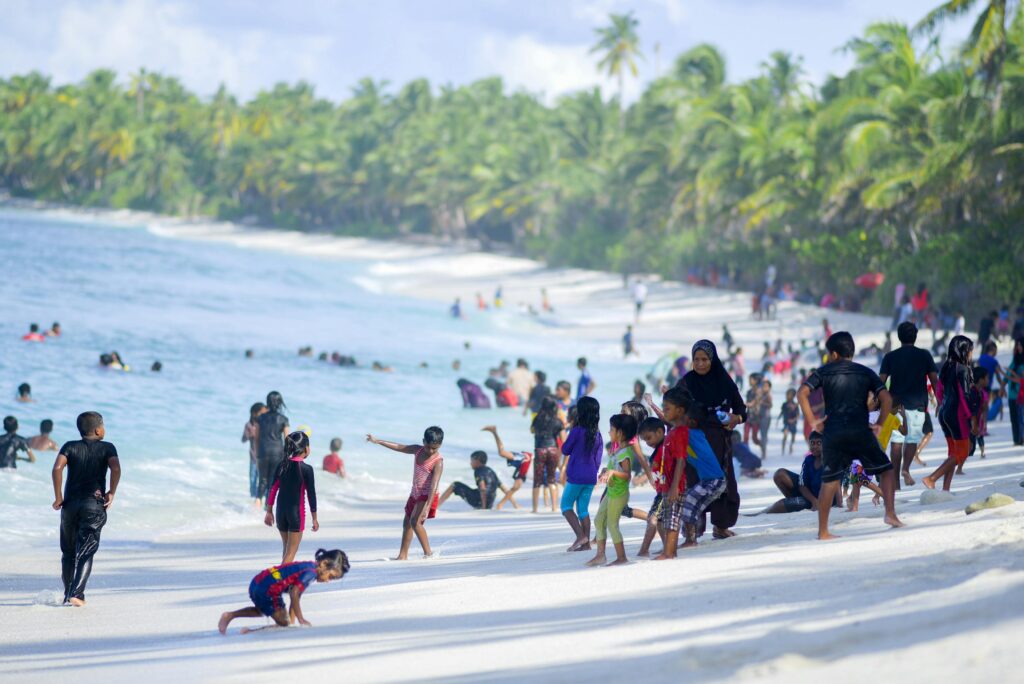
If your trip falls during the holy month of Ramadan, there are several important things to be aware of. During this period, eating, drinking, and smoking in public during daylight hours is prohibited out of respect for fasting locals. Therefore, be discreet about consuming food and drinks in public spaces on local islands. However, guesthouses and tourist facilities generally continue to serve meals to tourists throughout Ramadan. Moreover, visiting during Ramadan can actually be a beautiful cultural experience, as the evenings come alive with community gatherings and special foods.
11. Sunscreen Warning – Use Reef Safe Products
The coral reefs of the Maldives are among the most biodiverse and fragile ecosystems on earth. Unfortunately, many common sunscreen products contain chemicals that are highly damaging to coral reefs. Therefore, always bring reef-safe sunscreen when visiting the Maldives. Furthermore, this is not just an ethical choice – some local islands and dive operators are beginning to enforce reef-safe sunscreen policies. As a result, switching to reef-safe products before your trip is both responsible and increasingly necessary.
12. The Weather is Tropical Year Round – But There is a Wet Season
The Maldives enjoys a warm tropical climate throughout the year, with temperatures consistently ranging between 25°C and 32°C. However, it is important to understand the difference between the dry season and the wet season. The dry season runs from November to April, offering the most predictable sunshine and calm seas. In contrast, the wet season from May to October brings more rain and occasionally rougher seas. Nevertheless, the wet season also brings significantly lower prices and the marine life remains just as spectacular year round.
13. House Reefs are One of the Best Kept Budget Secrets
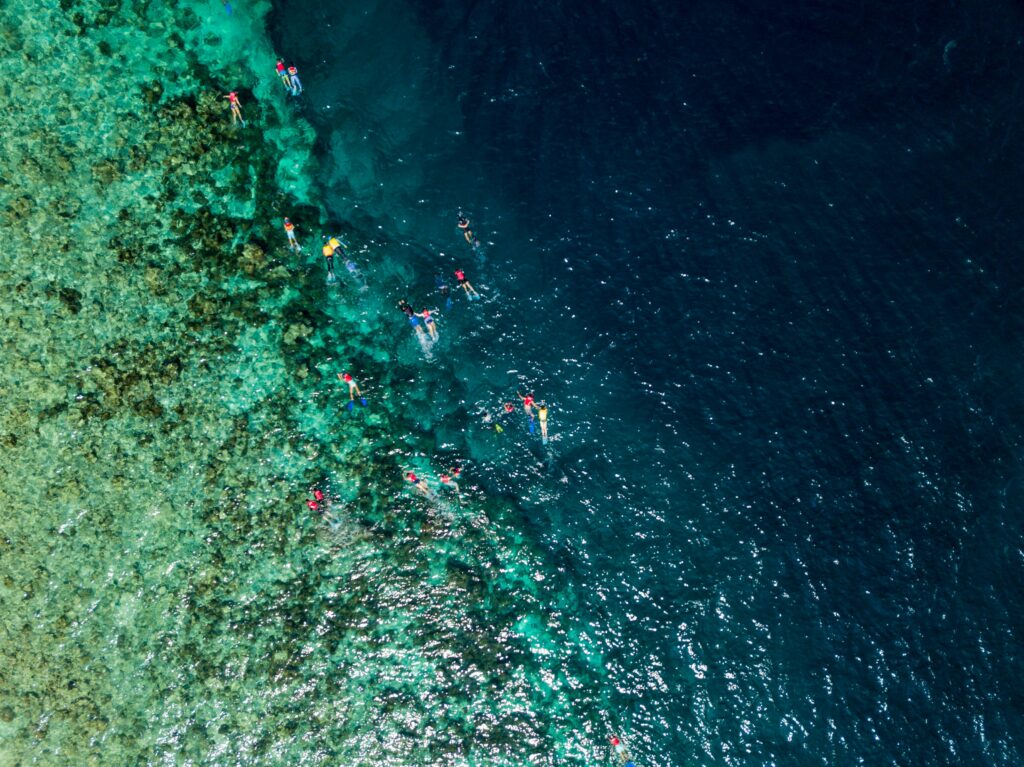
Many guesthouses on local islands are located directly adjacent to a house reef, a coral reef that is accessible directly from the beach without needing to take a boat. Therefore, if snorkeling is a priority for you, specifically look for guesthouses that advertise direct house reef access when booking. Furthermore, snorkeling a house reef is often completely free or available for a minimal equipment rental fee. As a result, you can enjoy world class marine life without spending anything extra on excursions.
14. Friday is a Public Holiday – Plan Accordingly
Unlike some destinations, tap water on local islands in the Maldives is generally not safe to drink directly. Therefore, always drink bottled water or use water from your guesthouse’s filtered supply. However, in order to reduce plastic waste, consider bringing a reusable water bottle with a built-in filter such as a LifeStraw bottle. Furthermore, staying well hydrated is particularly important in the tropical heat, so make sure you always have access to safe drinking water throughout your trip.
16. Bargaining is Not Common Practice
Unlike many Asian travel destinations, bargaining is not a standard practice in the Maldives. Therefore, do not expect to negotiate prices at local shops, cafés, or even with most excursion operators. However, there are exceptions – for example, if you are booking multiple excursions with the same operator or staying for an extended period, it is perfectly reasonable to politely ask if any discount is available. Moreover, guesthouses often offer better rates for longer stays if you simply ask at the time of booking.
17. Tipping is Appreciated but Not Mandatory
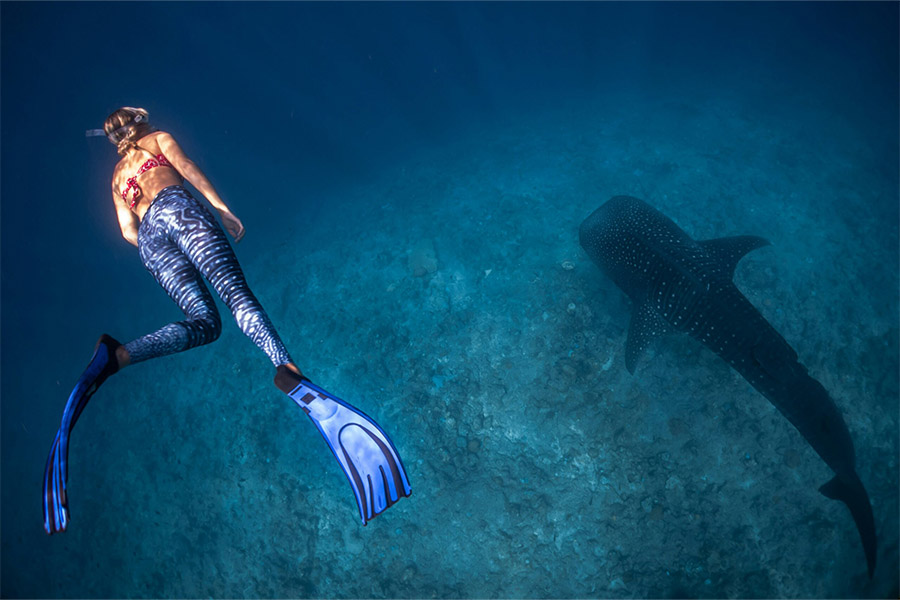
Tipping is not culturally mandatory in the Maldives as it is in some countries. However, it is genuinely appreciated by guesthouse staff, boat crew, and local guides who work hard to make your trip memorable. Therefore, if you have received excellent service, a small tip of $5 to $10 is a thoughtful gesture. Furthermore, on excursion boats, it is customary to tip the crew if they have gone above and beyond, particularly on diving or whale shark trips.
18. Photography Etiquette Matters
The Maldives is undeniably one of the most photogenic destinations in the world. However, it is important to be respectful when photographing local people and communities. Therefore, always ask for permission before taking photos of local residents, particularly women. Furthermore, underwater photography is a wonderful way to capture marine life. However, never touch or chase marine animals in order to get a better shot, as this causes significant stress to the creatures and damages the reef.
19. Stay Connected: Internet and SIM Cards on Local Islands
Staying connected in the Maldives is easier than many travelers expect. Most guesthouses on popular local islands like Maafushi and Thulusdhoo offer free WiFi, although the speed and reliability can vary. Therefore, if reliable internet is essential for your trip, consider purchasing a local SIM card from Dhiraagu or Ooredoo upon arrival at Malé airport. Furthermore, both networks offer affordable data packages that work reasonably well across almost all the inhabited islands.
20. Best Maldives of Travel Tips: Embrace the Beautiful Slow Pace
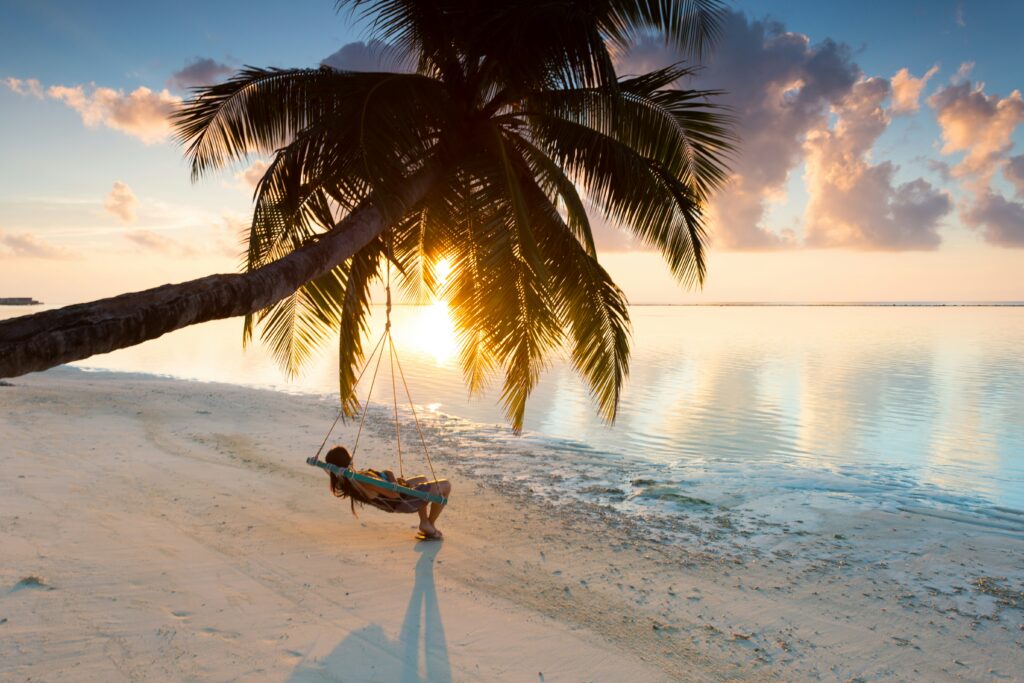
Finally, and perhaps most importantly, one of the best Maldives travel tips anyone can give you is simply this: slow down. The Maldives operates at its own relaxed pace and, as a result, things do not always move as quickly as you might expect. Ferries run on their own schedule, meals take time to prepare, and island life has a beautiful unhurried rhythm to it. Therefore, instead of fighting against this pace, embrace it. Moreover, some of the most memorable moments of a Maldives trip happen when you stop rushing, a spontaneous conversation with a local fisherman, a breathtaking sunset you almost missed, or a quiet morning snorkel on an empty house reef.
Final Thoughts on Maldives Travel Tips
These Maldives Travel Tips prove that the Maldives is a destination that rewards travelers who take the time to understand and respect it. By following these 20 travel tips, you will not only have a smoother and more enjoyable trip but also a more authentic and meaningful experience of this extraordinary island nation.
Maldives is far more accessible and affordable than most people realize, particularly when you choose local islands over luxury resorts. Therefore, if you have been dreaming of visiting, there has never been a better time to start planning. Ready to plan your budget? Read our full guide: Maldives Budget Travel Guide 2026 – How to Visit Cheaply Without Missing Out